
Sketching to Think: Rapid Doodles That Unlock Ideas and Remove Roadblocks
Today we dive into Sketching to Think: Rapid Doodles that Unlock Ideas and Remove Roadblocks. With a pen, a margin, and a minute, you can externalize messy thoughts, reveal patterns, and align people. Expect practical exercises, candid stories, and research-backed nudges. Grab paper, follow along, and share your scribbles—comments and subscriptions keep these explorations alive and collaborative.
Why the Pen Moves Faster Than Words

Your Brain Loves Pictures
Neuroscience shows visual pathways handle massive information in parallel, giving quick diagrams an unfair advantage over sentences marching single file. Simple icons and spatial layouts compress complexity into glanceable form, freeing attention for judgment and curiosity. That instant gestalt helps teams see the same thing, sooner, with less talk.
Taming Cognitive Overload
Working memory is tiny, yet problems grow sprawling branches. By sketching containers, boundaries, and arrows, you offload fragments onto paper, preventing loops from repeating in your head. External structure steadies thinking, reduces anxiety, and opens space for surprising connections to surface without struggling for costly verbal precision.
From Vague to Visible in Seconds
A wobbly rectangle labeled risky assumption can shift a debate that felt stuck for weeks. Once uncertainty is drawn, people point, question, and propose next steps. The artifact holds tension safely, remembers decisions, and moves with the group, turning inertia into concrete, navigable action.
Simple Tools, Big Impact
You do not need fancy gear to catalyze clarity. A bold marker, cheap paper, sticky notes, and a timer beat hesitation and perfectionism. High contrast lines read across rooms and cameras. Portable materials invite spontaneous mapping wherever blockers appear, so progress depends on practice, not equipment budgets.





The Sixty-Second Sketch Storm
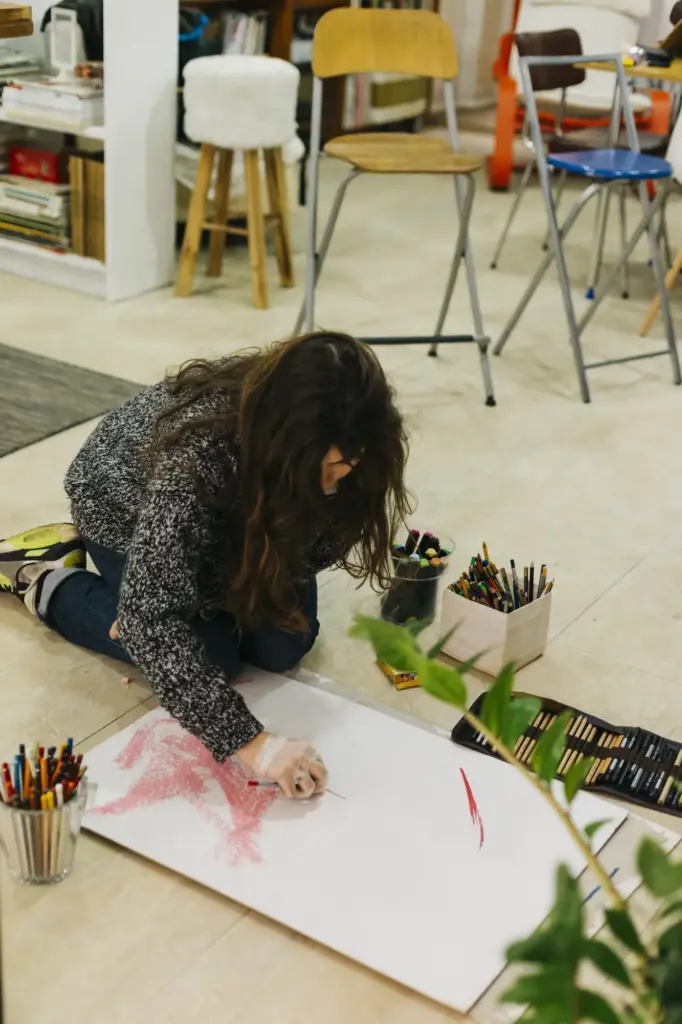
Set a minute timer and fill a page with micro-thumbnails. Quantity beats judgment here. You are teaching your hands to outrun hesitation, surfacing unexpected shapes that language would censor. Circle three surprises, add one word each, and carry them into a deeper round with renewed curiosity.
Crazy 8s, Sane Decisions
Fold a sheet to create eight panels, then race through eight variations in eight minutes. The pace starves perfectionism and reveals options side by side, making trade-offs obvious. Invite colleagues to mark heat with dots, then merge the hottest fragments into a cohesive concept worth prototyping quickly.
Visual Mind Maps That Breathe
Start with a bold center word and branch with curved lines, sketching icons beside keywords. The breathing shape mirrors associative thought, helping clusters emerge naturally. When branches crowd, start a new sheet, redraw only essentials, and notice what stayed, because persistence across redraws signals true importance.
Making Meetings Move
Meetings stall when abstractions drift. Draw the problem, players, and paths visibly, and conversations accelerate toward evidence and ownership. Silent sketching balances loud and quiet voices. Shared artifacts document trade-offs, defuse circular debates, and create alignment that survives handoffs, recordings, and calendar churn.
Defeating the I-Can’t-Draw Myth
Replace art-class expectations with communication goals. A square, triangle, and stick figure can express risk, priority, and user pain faster than perfect shading. Celebrate legibility and intent. Invite feedback on clarity, not style. Over time, your visual vocabulary expands naturally, guided by usefulness rather than intimidating aesthetics.
Perfectionism vs. Progress
Set a messy-first standard. Label rough, mark unknowns boldly, and promise refinement only after learning. Visible imperfections invite collaboration and honesty, protecting energy from endless polishing. Momentum breeds confidence, and confidence attracts contributions, creating a virtuous cycle that chases outcomes rather than ornamental deliverables nobody uses or remembers.
Unsticking Wicked Problems
When problems feel braided, redraw the landscape at multiple scales: ecosystem, workflow, moment. Use thick lines for forces, thin lines for interactions, and icons for stakeholders. By toggling zoom levels, contradictions surface quickly, revealing leverage points where small experiments can release surprising cascades of compound benefits.
Breaking Through Creative Roadblocks
Blockers masquerade as lack of talent, but often hide as fear, ambiguity, or untested assumptions. Quick doodles turn these ghosts into shapes you can move, merge, or delete. With compassionate constraints and visible progress, confidence grows, and stubborn challenges become sequences of achievable, learnable leaps.
From Doodle to Decision
A sketch becomes powerful when it guides action. Translate visuals into criteria, risks, and next tests. Compare options side by side, score with simple scales, and choose a smallest viable step. Closing loops quickly preserves momentum, builds trust, and transforms drawings into shared, accountable progress.
Scoring Visual Options
Place alternative sketches in a row and define three measures: impact, effort, and confidence. Dot-vote silently, then discuss outliers. Translate scores into a matrix, annotate assumptions, and star the experimentable choice. The numbers are rough, but the conversation becomes concrete, transparent, and faster to repeat next week.
Storyboard the Smallest Test
Lay out four tiny frames showing user, trigger, action, and result. Keep drawings minimal and annotate with measurable signals. This makes scope unmistakable and invites honest debate about risk. With a shared picture, alignment tightens naturally, and scheduling the test becomes a friendly, almost automatic conclusion.
Share, Test, Iterate Fast
Distribute snapshots of sketches with a one-paragraph hypothesis. Schedule feedback within twenty-four hours, run the smallest experiment this week, and adjust immediately. Short, visible cycles build credibility and learning velocity, transforming doodles from private notes into a living, evolving system of collective insight.
Build a Lasting Sketch Habit
Consistency turns occasional sparks into reliable ignition. A brief daily ritual strengthens line confidence, visual vocabulary, and pattern recognition. Track prompts, wins, and reflections. Share selectively to invite accountability and encouragement. Over months, you will notice faster clarity, calmer problem solving, and more joyful collaboration.